JUST IN: Hampshire police have decided to LOCK DOWN THE ENTIRE town to stop anti-migrant unrest after nearly 150 people arrived by small boat using a “new route” and came ashore at the historic naval port. The order is aimed directly at protesters there, and even a special “PRIVILEGE” that police have granted themselves could frankly push these masked individuals into extreme danger…
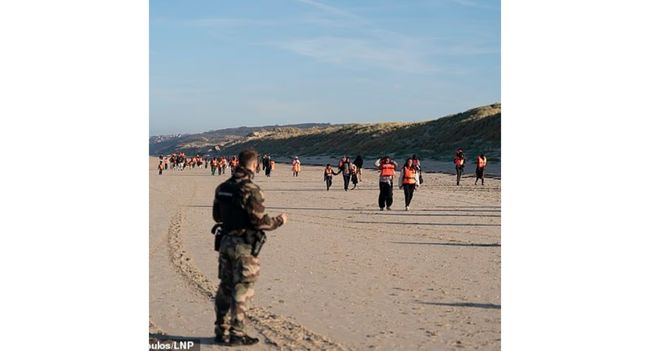
Hundreds of demonstrators gathered in Portsmouth after a boat carrying around 140 migrants was brought ashore on England’s south coast, leading to confrontations with police and widespread disruption.

The migrants had crossed the English Channel after setting off from an area near Cherbourg in northern France. Instead of being taken to Dover, where most people intercepted in the Channel are normally processed, authorities decided to bring the group to Eastney Landing in Portsmouth.
Officials said the decision was made because the vessel had departed much farther west than the routes typically used by small boats leaving the French coast. Taking those on board to Dover would have significantly extended an already lengthy journey and kept rescue vessels away from their usual operating areas.
News of the arrival quickly spread locally, and a large crowd began gathering near the landing point. Police officers, including units equipped with riot gear, were deployed to protect coaches that had been arranged to transport the migrants away from the area.
Some demonstrators blocked roads in an effort to prevent the coaches from leaving. Tensions later escalated, with police reporting damage to vehicles and injuries to a small number of officers.
A dispersal order was introduced as authorities attempted to regain control of the area. Police warned that anyone who refused instructions to leave could face arrest.

The coaches were eventually able to leave Portsmouth during the early hours of the following morning, transporting the migrants out of Hampshire for further processing.
The incident prompted criticism of the authorities’ handling of the landing. Portsmouth City Council leader Steve Pitt said the council had not been consulted in advance and argued that the location was unsuitable for such an operation.

He said the decision had caused unnecessary disruption in the city and called for explanations from the Home Office over how the situation had been planned and managed.
The British government defended the public’s right to peaceful protest but condemned aggressive and intimidating behaviour during the demonstration. Police officials said footage from the incident would be reviewed and that arrests could follow if criminal offences were identified.
Political reaction reflected the broader debate surrounding irregular migration across the Channel. Critics of the government argued that public frustration over small-boat arrivals was growing, while also stressing that violence or disorder could not be justified.
Some people who attended the protest rejected descriptions of the crowd as violent, saying most demonstrators had behaved peacefully and were expressing concern over immigration policy.
Local residents, however, described the scenes as disturbing and unusual for the area, particularly as tensions increased later in the evening.
The Portsmouth incident followed another protest at the Port of Dover a day earlier, where demonstrators also blocked roads and caused significant disruption.
According to official figures cited in reports about the incident, 625 migrants crossed the Channel in eight boats that Sunday, with arrivals recorded in both Dover and Portsmouth.
Small-boat crossings remain one of the most contentious issues in British immigration policy. Although the number of people making the journey has fallen compared with the previous year, smugglers have increasingly been using larger inflatable vessels carrying more passengers.
Authorities are also examining whether trafficking networks are shifting departure points away from the heavily policed Calais and Dunkirk regions, potentially creating new routes across the Channel.