TWO BOYS GONE WITHIN SIX DAYS — AND NOW THEIR FOOTY CLUB IS MAKING A MOVE NO ONE SAW COMING TO STAND WITH OTHER FAMILIES The deaths of Kaiyah Kennedy and Treyvon Te Tahi Bradshaw have hit the Coomera Cutters hard. Club president Joe Smith said both boys were their own, and both families belonged to the wider club. Players have been told to look out for each other, check on mates, listen, and talk to someone they trust if they are struggling. Separate appeals for the two families have already raised more than $50,000 combined. But the response is no longer just tributes. Coomera Cutters has just taken a step far beyond anything people expected — and it is almost impossible to believe…
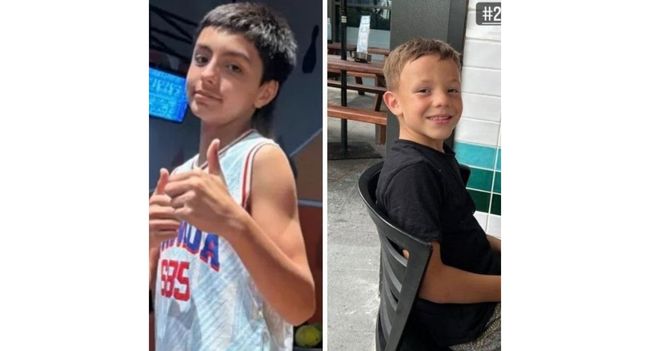

Coomera Cutters Rugby League Club is trying to turn two deaths, six days apart, into something a junior club can actually do: get help in front of the next child before another family is left making a fundraiser.
Treyvon Te Tahi Bradshaw was 13. He died on 26 September. Kaiyah Kennedy was 12. He died on 2 October. Both were from the northern Gold Coast. Both belonged to the Cutters in different ways — Treyvon as a current player, Kaiyah as a former one. Club officials have said the deaths are not believed to be linked, and that the boys did not know each other. The club has still treated them as one wound. In a community this size, the under-13s and the alumni share a car park.
President Joe Smith told NewsWire the loss had hit the whole place. “It has really hurt our club and all their teammates, they were two of our own and their families were part of our community,” he said. He has young children himself. “It has really got me thinking about what more can be done to raise awareness of mental health and support the local community.” One life lost this way was too many, he said. Two meant the club had to ask what it could put in front of people.

That is the step past the tributes. The Cutters have said they will champion mental health causes in the boys’ memory, and the club is organising support so young players can reach mental health resources and bereavement help without having to find it alone. No date or program has been published as a finished event. What has been published is the intention, and the reason for it: a volunteer club that just had to write two death notices in a week does not want the next conversation to happen in a Facebook post.
The posts already up are blunt, because the club decided softness would be a kind of delay. After Treyvon’s death was announced on 30 September, the club wrote again once Kaiyah had died. “Yet another Coomera Cutters Rugby League child passed from suicide this week,” a spokesperson said. “This is the second incident this week. Young Treyvon was 13 and Kaiyah is only 12, still young boys. We can’t believe we’re sharing news like this, it’s unbelievable.” A separate message asked players and children not to sit with it. “If you don’t feel comfortable talking to your family, please talk to coaches, managers, or the parents on the sideline. We are here to listen, support you, and to help you through the darkness.”
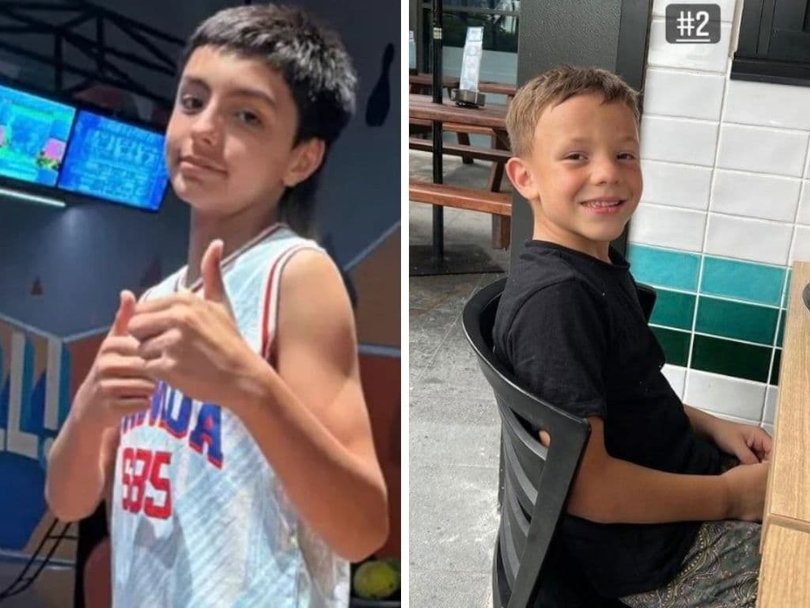
That is a junior club describing the only workforce it has. Coaches, managers, sideline parents. Not clinicians. The event the club is pulling together is an attempt to put clinicians, or at least a path to them, inside a room those adults and children already enter on purpose. Saturday morning footy is one of the last ordinary appointments a 12-year-old keeps. Treyvon was still keeping it. Kaiyah had already left the jersey and still counted, in Mr Smith’s words, as one of their own.
The two deaths are not the same case, and the club’s response only works if it does not pretend they are.
Treyvon’s mother, Sarah Bradshaw, has said his death was a shock. He was not, in her account, a sad kid. He played sport, had friends and whānau, and had been laughing and texting through the night before something changed in a couple of hours — a split, devastating choice, as she put it. Tributes have described a kind heart and a boy who made friends easily. Vigils have been held. The Māori word his family have used is whānau: an extended net, not a household. That net did not see the change coming. A check-in culture at a footy club does not fix that. It does shorten the distance between a child and an adult who is not in the group chat.
Kaiyah’s family have described a longer fight, and they have asked that his life not be reduced to the end of it. He was a mischievous, loving brother to Malakai and Jojo, son to Breanna and Matt, remembered on a fundraiser as a proud Aboriginal boy who loved learning and being inside his culture, and as “an absolute ball of energy and fun” who tested the rules with a charm that made people unwilling to have him any other way. In a statement reported after his death, the family said they had advocated, sought help, and tried to keep him safe, including around ADHD and mental health. “Sometimes a child can be surrounded by love, have parents fighting ferociously for them and still be fighting a battle inside their own mind that other people cannot see,” they said. “I would have done absolutely anything to save my son.”
Those accounts are why a club event is not a substitute for care, and also why the club is having one. One family is describing hours. The other is describing help already sought. A sideline parent who has been told to “check in” can still miss both. The Cutters’ public line — talk to a coach if you will not talk to a parent — is an admission that the first net sometimes fails, and that the second net has to be closer than a helpline on a poster in a canteen.
Separate fundraisers for the two families had raised a combined total of about $50,000 within days of the deaths. The mothers, Breanna Kennedy and Sarah Bradshaw, have been reported turning to each other. Independent senator Lidia Thorpe said both boys had their whole lives ahead of them. National Indigenous Times carried the club’s posts with the warning to Aboriginal and Torres Strait Islander readers that the reporting names Indigenous children who have died. That warning belongs on any follow-up, including a club event. These were local boys. The room will be full of people who knew them.
What the Cutters can realistically offer is smaller than the loss and still worth doing. A named contact. A night when a service shows up at the club instead of asking a grieving parent to search for one. Bereavement support for teammates who watched a jersey come off the hook and not go back. A repetition of the line already posted: if you will not tell your family, tell someone on the sideline. None of that brings Treyvon or Kaiyah back. It is the part of the response that is no longer only a tribute.
Anyone in Australia who needs support can contact Lifeline on 13 11 14, Kids Helpline on 1800 55 1800, or 13YARN on 13 92 76.