90s TV star Sarah Cawood reveals the devastating impact breast cancer treatment had on her everyday life
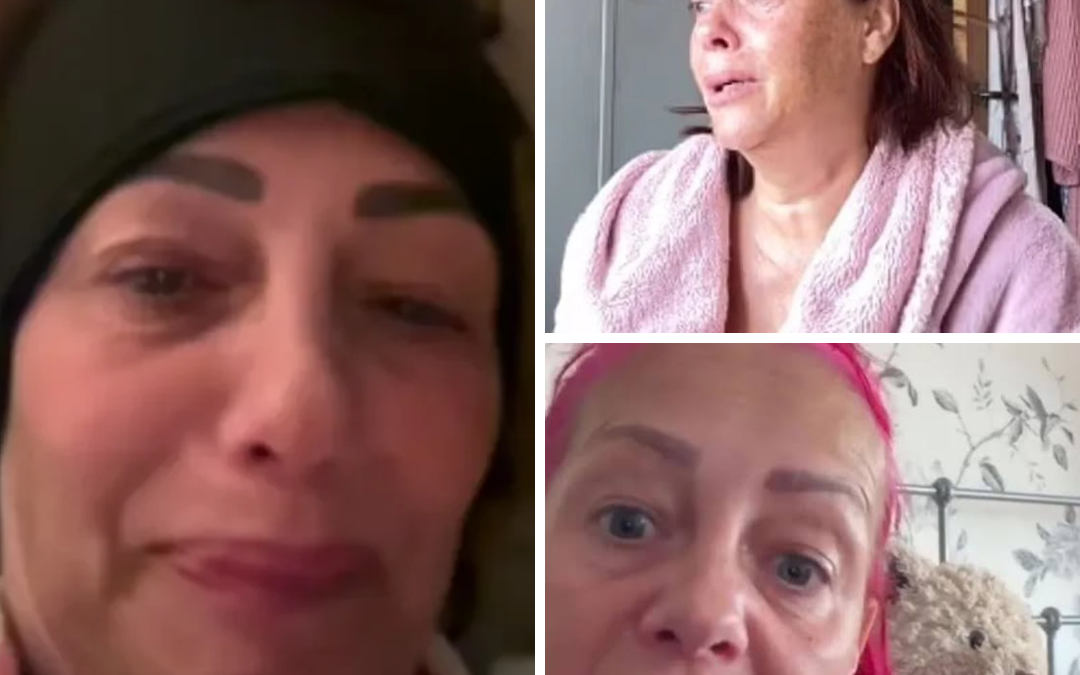
**Former Top of the Pops presenter Sarah Cawood describes cognitive difficulties after starting hormone-blocking medication for breast cancer, leading to April 2026 ADHD diagnosis**
Former television presenter Sarah Cawood has spoken on a podcast about the cognitive and physical effects she experienced after stopping hormone replacement therapy and beginning treatment with the aromatase inhibitor anastrozole following her breast cancer diagnosis. She described the changes as occurring “almost overnight,” with everyday organisation collapsing, and said the difficulties contributed to her receiving an ADHD diagnosis in April 2026.
Cawood, born Sarah Louise Cawood on 7 August 1972, rose to prominence in the 1990s and early 2000s as a presenter on BBC children’s programming including *Live & Kicking* and as a host on *Top of the Pops*. She also fronted Channel 4’s *The Girlie Show*. She later worked in radio and has continued occasional presenting and voice work. She is married to television producer Andy Merry; the couple have a son, Hunter, and a daughter, Autumn. The family lives in Leigh-on-Sea, Essex.
**Breast cancer diagnosis in 2022**
In September 2022 Cawood publicly disclosed that she had been diagnosed with stage one breast cancer after her first routine mammogram. She told *The Sun* that an initial screening letter indicated results could not yet be given, leading to a further mammogram, ultrasound and biopsy. At the results appointment, which she attended with her husband, the surgeon showed her a scan and indicated a “very small cancerous lump.” When she asked whether it was aggressive she was told it was not. She later described the exchange as undramatic: “Nobody cried, it wasn’t very dramatic. It’s just a lumpectomy, radio-therapy, then a drug called Tamoxifen, which is a hormone blocker, for five to ten years.” She referred to it at the time as “the Carlsberg of breast cancers,” saying she felt “really lucky” relative to others facing more advanced disease.
The diagnosis required her to stop taking HRT, which she had been using for menopausal symptoms. In contemporaneous interviews she reported brain fog and said she had forgotten her daughter’s name on two occasions. She also described withdrawal from both HRT and a low-dose antidepressant while preparing to start tamoxifen. Subsequent coverage in 2026 of the podcast appearance refers to her taking the aromatase inhibitor anastrozole; the precise sequence and timing of any switch between tamoxifen and anastrozole is not detailed in the available reports of her recent comments. Cawood has stated she is now in remission but continues to take preventative medication to reduce the risk of recurrence.
**Podcast comments on medication effects and ADHD diagnosis**
In an episode of the podcast *I’m ADHD! No You’re Not*, hosted by Dr Mine Conkbayir and comedian Paul Whitehouse and released around 22 October 2026, Cawood discussed the impact of coming off HRT and starting aromatase inhibitors. She said: “I don’t think we yet realise how important oestrogen is for brain function. Because my brain just went wonky as soon as I came off HRT and went onto these aromatase inhibitors, the breast cancer drugs. They basically stop any oestrogen being made.” She added: “It’s brutal, so your bones hurt. And I literally just, almost overnight, starting these drugs, everything just fell to s***. All the spinning plates just toppled.”
She attributed the subsequent ADHD diagnosis in part to practical consequences at home. “The only reason I got a diagnosis is because my husband was getting so cross ’cause I kept double-booking and forgetting to pick the kids up.” Multiple outlets, including the Daily Star, OK! Magazine and The Sun, reported the same quotes from the podcast and stated that the diagnosis was made in April 2026, when Cawood was 53. She described herself on the podcast as “recently diagnosed ADHD.”
After the diagnosis she was prescribed stimulant medication. She told the hosts that the dosage was increased repeatedly (“They titrated me higher, higher, higher”) and that the drugs “make me feel awful, but I do get stuff done on them.” She questioned whether the medication or the dose was appropriate: “I’m not sure if I’m on the right medication, if I should be on medication. Is the dose too high?” She reported severe nausea and rapid weight loss of half a stone, saying she had little appetite (“Don’t fancy eating anything except a square crisp. It’s like being pregnant”) and was concerned about not getting adequate nutrition. These remarks appear consistently across the Daily Star, OK! and Sun reports of the episode.
**Bone density and ongoing treatment**
Cawood has also spoken about effects on bone density. In an Instagram comment referenced in recent coverage she wrote: “I’m dreading my next DEXA scan because the last one showed my bone density loss had progressed because of the stupid meds.” Aromatase inhibitors are known to reduce oestrogen production; published medical literature notes associations with accelerated bone mineral density loss, increased fracture risk and joint symptoms in postmenopausal women taking them for hormone-receptor-positive breast cancer. Cawood’s comments present her personal experience of bone pain and scan results rather than a clinical claim about causation beyond what she has stated.
She remains on preventative endocrine therapy. In earlier interviews she described the practical and emotional adjustments of living without HRT while managing treatment side-effects, including hot flushes and mood changes. Coverage of the recent podcast does not include new details on current prognosis beyond her statement that she is in remission.
**Context of public discussion**
The podcast episode also touched on aspects of 1990s television culture, but the health-related segments form the basis of the reporting in national titles. Cawood has previously discussed the impact of her diagnosis on family life and intimacy; a May 2026 interview with *The Sun* quoted her saying that treatment had “totally destroyed” her libido and describing that aspect of her relationship with her husband as a “massive loss,” while noting they maintain open communication. Those earlier comments are separate from the October 2026 podcast remarks on cognition and ADHD medication.
All statements about the timing and effects of the medication changes, the double-booking and school-run incidents, the April 2026 ADHD diagnosis, and the subsequent experience with stimulant medication are drawn from Cawood’s own words on the podcast as reported by the Daily Star, OK! Magazine, The Sun and related outlets. Background on the 2022 diagnosis, stage, initial treatment plan and family details comes from contemporaneous interviews she gave to *The Sun*, *The Independent* and other outlets. No independent clinical records or statements from her treating doctors appear in the coverage. The reports do not claim that anastrozole caused ADHD; they record Cawood’s description of cognitive changes after starting the drug and the subsequent diagnosis prompted by observable difficulties at home.
You Might Also Enjoy


A striking argument from prosecutors has become one of the final talking points in Russell Brand’s high-profile London trial