**Sad farewell to Coronation Street star Eileen Mayers, 94 — but one controversial scene from her past still stands out…**
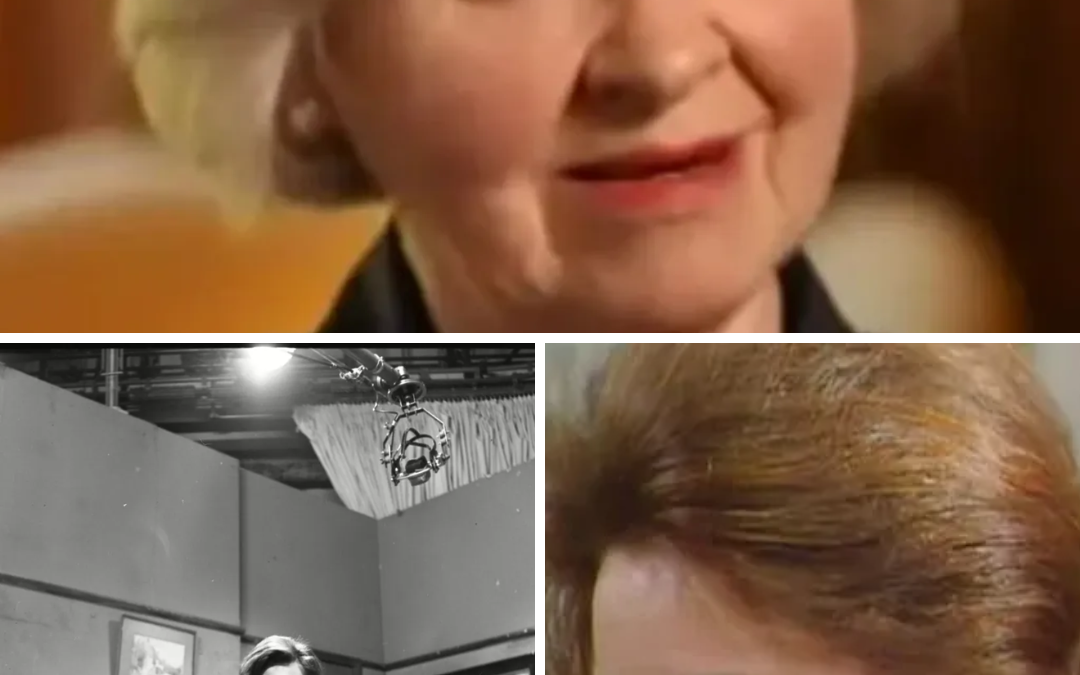
**Eileen Mayers, who played Sheila Birtles in early episodes of Coronation Street, has died aged 94, according to notices in Equity magazine and The Times.**
The announcement stated: “Eileen (née Mayers) died on 27th June 2026 aged 94. She took her final curtain call after an acting career which began aged 15 at the Oldham Repertory Theatre. Sheila Birtles in Coronation Street between 1960-63, she is now ‘resting’ for ever. God bless.” Multiple outlets including The Independent, the Daily Mirror, Digital Spy, Metro and the Express reported the notice in October 2026. Fans on social media posted tributes recalling her appearances.
Mayers was born in Oldham, Lancashire. She began acting professionally after leaving school at 15, working at the Oldham Repertory Theatre. Her television credits before and outside Coronation Street included roles in the 1956 series I’m Not Bothered and a 1983 episode of Keep It in the Family. In one of the dry runs for Coronation Street she played Linda Cheveski (Elsie Tanner’s daughter); the part later went to Anne Cunningham. She joined the main series as factory machinist Sheila Birtles in episode 8 in January 1961 and remained until September 1963, later returning for stints in 1966, 1969 and 1974. Sources list her total appearances at around 161 episodes.
Sheila shared a flat with Doreen Lostock, was close to Elsie Tanner and dated Jerry Booth. She developed a relationship with Neil Crossley (played by Geoffrey Matthews). Reports describe the relationship as one in which Sheila was mistreated; it ended when Neil left Weatherfield. When he returned and rejected her again, the character entered a period of depression. Writers developed a storyline in which Sheila would die by suicide after overdosing on pills. The scenes were filmed, including sequences in which she swallowed tablets and was rescued by neighbours.
Details of the planned suicide plot leaked before broadcast. Mirror reporter Ken Irwin later said he was the source of the leak: “I leaked the story and all hell broke loose. Viewers complained they didn’t want this horror, Granada had a rethink and within 24 hours did a rewrite.” Producer Margaret Morris ordered the rewrite. The version that aired showed Sheila taking pills before the screen faded to black; she survived and left Weatherfield to stay with her parents. Some accounts note that subsequent dialogue in other episodes still referred to events consistent with the original plan. Sheila later returned, married Neil in 1966, and had a son, Danny, who was placed for adoption; her final appearance was in October 1974.
The original filmed sequences remained unseen for decades. They were first shown in the 2011 ITV documentary The Corrie Years. In that programme Mayers recalled leaving Granada after filming and being greeted by “a wall of journalists,” saying she “couldn’t believe it.” She described the outcome as disappointing: “It is disappointing when you think ‘Oh that’s it, that’s good,’ and then it doesn’t get shown but that’s the way it is. I had an actress friend who used to say ‘Well dear, you’ve been front page news!’ and I’d rather not have been, and that they had shown the episode.” These comments have been reported consistently across Independent, Mirror, Metro, Express and Digital Spy coverage of her death.
At the time of the 2011 documentary, a source told the Mirror that the 1963 scene had been considered too controversial then, but added that “compared to what goes on in soaps these days, I don’t think the scene will [be] very shocking.” The storyline has been referenced in discussions of later Coronation Street plots involving suicide attempts, including one involving Natasha Blakeman in 2010.
Reports of Mayers’s death in June 2026 prompted tributes from viewers who recalled her as one of the soap’s early factory workers. One X post noted her appearances from episode 8 in January 1961 until September 1963, the extended run in 1966, and the final stints in 1969 and 1974. Equity magazine and The Times notices provided the primary public confirmation of the date and age. No further official statements from ITV or the Coronation Street production team regarding her death have been reported in the coverage examined.
The 1963 decision to pull the suicide scenes remains one of the better-documented early examples of audience pressure affecting a British soap storyline. Contemporary complaints led to an immediate rewrite within 24 hours of the leak, according to Irwin’s account. The aired version avoided showing the full overdose and its aftermath, while the filmed material stayed in archive until the 2011 documentary. Mayers’s own comments, recorded nearly 50 years later, focused on the professional disappointment of the cut and the unwanted publicity rather than on broader arguments about the suitability of the subject matter.
Her career after the main 1961–63 run was intermittent. Returns in the mid-1960s and early 1970s allowed the character to marry Neil and address the birth and adoption of their son. Outside the soap she continued occasional television and theatre work before retiring. Public information about her private life is limited to the Equity and Times notices and brief biographical notes on sites such as IMDb and Corrie.net, which record her Oldham origins, early repertory experience and marriage with a daughter.
Coverage of the death in October 2026 consistently separated the confirmed biographical facts (date of death, age, Equity notice, Coronation Street credits) from the historical account of the 1963 storyline. The latter rests on contemporaneous reporting of the leak and backlash, the existence of the unused footage, its later inclusion in The Corrie Years, and Mayers’s recorded reflections. No primary production documents or additional interviews with Mayers beyond those in the 2011 documentary have been cited in the recent obituaries.
Sheila Birtles remains a minor but historically notable figure in Coronation Street’s first decade because of the aborted suicide plot. The character’s exit in 1963 was rewritten so that she left alive; her later returns closed some of the narrative threads involving Neil and their child. The original scenes, once locked away, became part of the soap’s documentary record in 2011, allowing viewers to see the material that had prompted the complaints. Mayers’s comments in that programme are the only direct public statements from her on the episode that have been widely quoted.
The notices in Equity magazine and The Times remain the sole formal announcements of her death. Subsequent reporting by national and specialist entertainment outlets has drawn on those notices, earlier production history and the 2011 documentary. Fan comments on social media have been limited to expressions of sadness and summaries of her episode counts and years of appearance. No contradictory information about the date or age has appeared in the sources reviewed.
In the context of early 1960s British television, a storyline involving a young woman’s planned suicide after romantic rejection was treated as unusually stark for a popular serial. The speed of the rewrite after the leak, as described by the reporter who broke the story, indicates that viewer correspondence reached Granada quickly enough to change the broadcast version before transmission. The decision left an archival discrepancy: later dialogue in the series continued to treat events as if the original outcome had occurred, while the transmitted episode showed only the fade-to-black after the pills. That discrepancy is noted in fan and wiki accounts of the character and is consistent with the production constraints of rapid rewrites in weekly drama at the time.
Mayers’s performance as Sheila was largely confined to the factory and street settings of the early series. The character’s relationships with Doreen Lostock, Elsie Tanner and Jerry Booth placed her among the younger female ensemble before the Crossley storyline. After the rewritten exit she returned only sporadically, so the bulk of her screen time remains the 1961–63 period. The 2011 documentary provided the first opportunity for a general audience to see the unused overdose footage and to hear Mayers speak about the experience of leaving the studio to find journalists waiting.
Reports published in October 2026 have not added new biographical detail beyond the Equity and Times notices and the established production history. The combination of a formal death notice and the long-documented 1963 controversy accounts for the volume of coverage. The storyline continues to be cited as an early instance in which public reaction altered a planned soap death, and Mayers’s recorded disappointment remains the principal personal statement attached to that episode.
The available record therefore consists of the confirmed dates of her Coronation Street appearances, the Equity and Times announcements of her death on 27 June 2026 at the age of 94, the documented leak and rewrite of the 1963 suicide scenes, the later broadcast of the original material in The Corrie Years, and Mayers’s comments in that documentary. Further details of her private life or of any official response from ITV to her death have not been published in the sources examined.
You Might Also Enjoy


A striking argument from prosecutors has become one of the final talking points in Russell Brand’s high-profile London trial